


Securing a home near top-tier educational institutions is a major priority for growing families. Buying a property like the Thomson Reserve condo ensures your children enjoy shorter daily commutes while securing a stable long-term real estate investment. Proximity to reputable schools consistently drives housing demand, making these properties highly resilient against market downturns. However, purchasing a family home involves analyzing more than just classroom distances. You must evaluate neighborhood dynamics, future development plans, and daily convenience. This guide breaks down the essential factors parents must consider before purchasing a condominium near educational hubs to ensure a balanced lifestyle and a secure financial future.
The Premium Value of School Proximity
In many urban planning systems, primary school admission policies heavily favor residential proximity. Homebuyers often pay a premium for properties situated within a one-kilometer radius of popular schools. This home-to-school distance rule creates a permanent localized demand that keeps property values high. Even during economic stagnation, family-centric neighborhoods maintain their transaction volumes because education remains a non-negotiable priority for parents.
Understanding Registration Priority Zones
When you purchase a home within the immediate vicinity of a school, you position your children at the front of the queue during enrollment registration phases. This strategic placement reduces the stress of balloting procedures. Furthermore, this localized demand translates directly into capital appreciation. When the time comes to sell your property, the incoming wave of young parents will actively seek out your unit, ensuring a quick exit strategy and healthy capital gains. Investing in these zones protects your capital from market volatility. Additionally, properties near schools often experience shorter vacancy periods in the rental market, as expatriate families prioritize school access above other conveniences. Living close to campus also minimizes the need for school bus services, saving families thousands of dollars annually. These cumulative savings, combined with steady equity growth, make school-adjacent properties some of the safest assets in any real estate portfolio.
Balancing Daily Commutes and Family Lifestyle
While proximity to schools is vital, a family home must also support your daily lifestyle needs. A short walk to school is less beneficial if parents face a grueling ninety-minute commute to their workplaces. Therefore, look for neighborhoods that offer comprehensive transit networks. Selecting a home near major transport nodes, such as the upcoming developments around Lucerne Grand, provides the perfect balance. These emerging residential enclaves offer direct access to rapid transit lines, connecting you to the central business district in minutes.
Assessing Morning Traffic Patterns
Before finalizing a purchase, visit the neighborhood during peak morning hours. School zones are notorious for traffic congestion between 7:00 AM and 8:00 AM. Observe whether the local road infrastructure can handle the influx of school buses and private vehicles. A well-planned condominium development will feature multiple drop-off points and side-gate access to bypass main road bottlenecks. Choosing a home in a master-planned area like Lucerne Grand ensures that modern urban design mitigates these traffic hassles. Wide pedestrian pathways, dedicated bicycle lanes, and sheltered walkways make the journey to school safe and pleasant for children, reducing the reliance on vehicular transport altogether.
Analyzing Future Resale and Rental Yields
A property purchase is both a sanctuary for your family and a significant financial commitment. To maximize your returns, analyze the historical transaction data of existing developments in the area. Premium projects like the Thomson Reserve condo showcase how thoughtful integration with surrounding infrastructure boosts asset valuation over time. When studying potential condominiums, compare the price-per-square-foot trends of developments near schools against those located further away.
Targeting the Tenant Pool
If you plan to rent out the property before your children reach school age, or after they graduate, a prime location ensures a steady stream of high-quality tenants. International schools, in particular, attract expatriate families who receive housing allowances. These tenants seek modern condominiums with comprehensive facilities, such as lap pools, study rooms, and 24-hour security. The presence of reputable local and international schools nearby acts as a magnet for these high-income renters. Consequently, you can command higher rental yields and enjoy a lower risk of long-term vacancies compared to landlords in purely commercial or industrial districts. Furthermore, long-term urban redevelopment plans by local authorities can further enhance land values. By buying into an established educational belt, you align your investment with municipal investments in infrastructure, ensuring your property remains highly sought after for decades.
Key Amenities to Look For Beyond Classrooms
A thriving family life requires more than just academic convenience. After school hours and during weekends, children need spaces to play, exercise, and socialize. When evaluating a neighborhood, check for the availability of public parks, sports complexes, and community libraries. Residential areas surrounding Lucerne Grand are highly regarded because they integrate green spaces with modern urban living. Having a nature park within walking distance allows families to unwind without embarking on long weekend drives.
Daily Conveniences and Retail Options
Evaluate the proximity of supermarkets, medical clinics, and enrichment centers. A family-friendly condominium should have a grocery store within a five-minute walk or drive to make mid-week shopping runs painless. Enrichment centers, music schools, and sports academies clustered around local malls add immense value, as they save you from driving across the city for weekend extracurricular activities. Look for developments that offer a self-contained ecosystem. When daily necessities, leisure spaces, and educational facilities coexist in a single neighborhood, family stress levels drop significantly, creating a healthier, more harmonious home environment for both parents and children. This holistic approach to neighborhood selection ensures that your home remains functional through all stages of your children’s development, from early childhood through their teenage years.
Step-by-Step Selection Criteria for Parents
To streamline your search, establish a clear set of criteria before visiting showflats. First, map out the exact schools you are targeting and verify their distance from potential developments using official government mapping tools. Do not rely solely on marketing brochures, as boundary lines can sometimes cut through a single plot of land. Second, prioritize developments like the Thomson Reserve condo that offer spacious layouts. Growing children require adequate personal space, making three-bedroom and four-bedroom configurations highly desirable for long-term residency.
Evaluating Noise and Security
Living near a school can be noisy. Early morning announcements, sports days, and band practices are part of daily school life. When inspecting a unit, check the quality of the window glazing and soundproofing materials. Units facing away from the school compound or those situated on higher floors generally offer quieter living environments. Additionally, assess the security features of the condominium. Gated access, card-controlled lobbies, and vigilant security personnel provide peace of mind, allowing older children to walk home from school independently and safely. Finally, review the condominium’s internal facilities. Dedicated study rooms, children’s play pools, and barbecue pits foster a strong sense of community among resident families, making it easier for your children to make friends nearby.
Conclusion
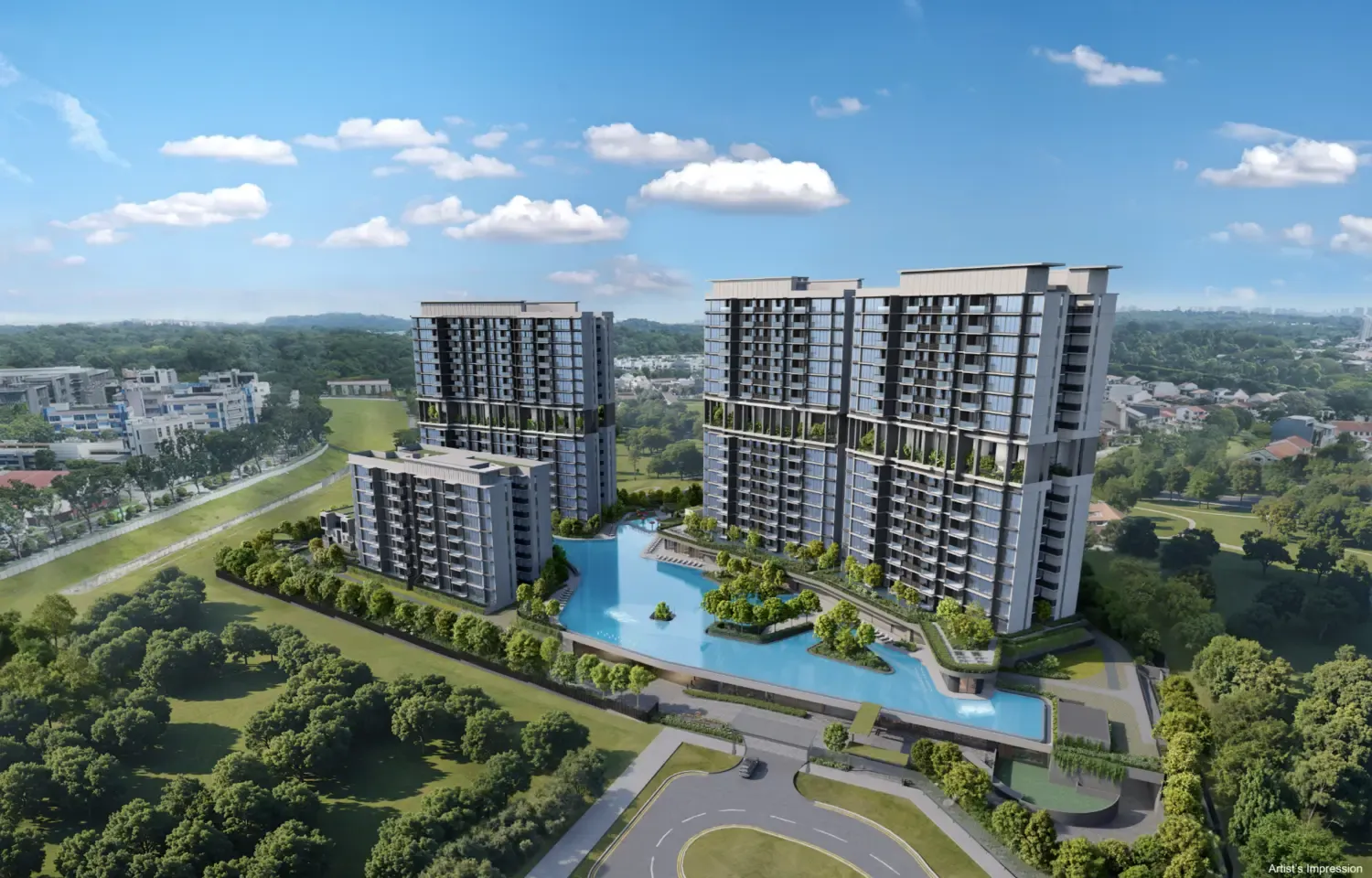
Buying a condominium near reputable schools is one of the smartest decisions a family can make. It offers an unmatched daily convenience that reduces stress for both parents and children, while securing a highly resilient real estate asset. By focusing on key factors such as registration priority zones, transit access, and neighborhood amenities, you can find a home that supports both your lifestyle and your financial goals. Whether you choose an established development or an emerging residential hub, prioritizing educational proximity ensures long-term capital preservation and steady rental demand. Take the time to research thoroughly, visit neighborhoods during peak hours, and select a property that will serve as a nurturing foundation for your family’s future.